
Answering Your Frequently Asked Questions
Summit FAQs
The summit is designed for immunology, translational science, and clinical development leaders working to advance antigen-specific therapies and immune tolerance approaches. Attendees typically include researchers, clinicians, biotech executives, pharmaceutical immunology teams, biomarker and immune monitoring specialists, investors, and academics focused on autoimmune disease therapeutics.
While meetings such as ACR Convergence, EULAR, and SITC cover a broad range of immunology and autoimmune disease topics, the Antigen-Specific Immune Tolerance Summit is focused exclusively on antigen-specific approaches to restoring immune tolerance. Discussions span antigen discovery, biomarkers of tolerance, immune monitoring, delivery technologies, clinical development, and commercialization, providing a level of depth that is difficult to find at broader conferences.
Registration can be completed through the summit website here. Attendees can choose from the available pass options and will receive confirmation and event details following registration. For group bookings or registration questions, attendees can get in touch here.
Yes, additional team discounts are offered for organizations sending multiple attendees, making it easier for cross-functional teams to participate together.
Group Discount Breakdown:
- 2 Attendees = 10% Discount
- 3 Attendees = 15% Discount
- 4+ Attendees = 20% Discount
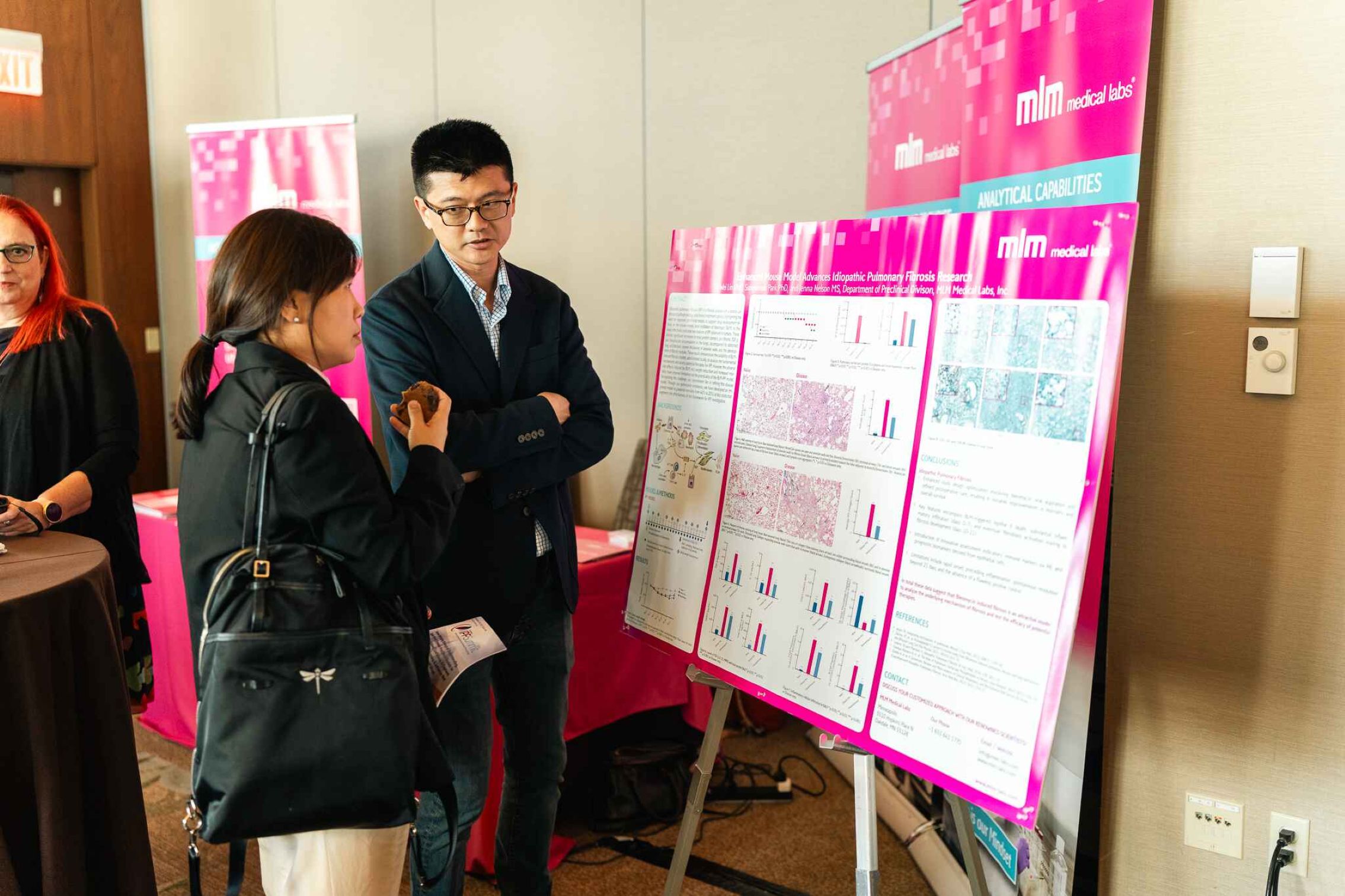
Yes. The summit includes opportunities for researchers and developers to present scientific posters and share emerging findings with the antigen-specific immune tolerance community.
Poster presentations provide an opportunity to showcase novel research, discuss emerging data with peers, and receive feedback from experts working across antigen-specific immune tolerance, autoimmune disease therapeutics, and translational immunology.
Abstract submissions are reviewed prior to acceptance, and details regarding submission requirements are available here.
World Immune Tolerance Week combines audiences across the 10th Antigen-Specific Immune Tolerance Summit, 9th Treg-Directed Therapies Summit, and the 2nd Immune Resetting: B-Cell Mediated & Beyond Summit to bring together the full autoimmune and immunology community.
Industry FAQs
Traditional immunosuppressive therapies broadly dampen immune activity and can increase susceptibility to infection. Antigen-specific immune tolerance therapies are designed to selectively target the immune response driving disease while leaving protective immunity intact. This specificity is what makes the approach particularly attractive as a precision immunology strategy.
The aim of antigen-specific immune tolerance is to address the underlying immune dysfunction rather than simply manage symptoms. By re-establishing tolerance to disease-driving antigens, developers hope to achieve long-lasting remission. Whether this can be consistently achieved remains one of the central questions facing the field.
Key challenges include identifying the right antigens, translating promising preclinical findings into clinical success, establishing reliable biomarkers of tolerance and demonstrating durable efficacy. Disease heterogeneity, patient selection, and the lack of validated immune monitoring endpoints continue to complicate development across multiple indications.
Biomarkers of tolerance are measurable indicators that a therapy is successfully reprogramming the immune system. They may include changes in T-cell populations, TCR repertoire, cytokine profiles, autoantibodies, or regulatory T-cell activity. Robust biomarkers are critical for patient stratification, clinical development, regulatory discussions, and demonstrating that immune modulation is translating into meaningful biological effects.
Durability refers to how long therapeutic benefit persists after treatment. Developers assess durability through long-term clinical outcomes, biomarker stability, relapse rates, and evidence that immune regulation is maintained without ongoing intervention. Demonstrating durable responses is increasingly viewed as one of the strongest indicators that true tolerance has been achieved.
Antigen selection is fundamental to the success of any antigen-specific therapy. Developers must identify antigens that are genuinely involved in disease pathology while accounting for patient heterogeneity and antigen spreading. Advances in antigen discovery, epitope mapping, and immune profiling are helping researchers refine target selection and improve the likelihood of clinical success.
The most advanced programs are focused on type 1 diabetes, celiac disease, and multiple sclerosis, although research is expanding into rheumatoid arthritis, inflammatory bowel disease, and other immune-mediated disorders. Progress in these indications is helping establish the clinical, biomarker, and regulatory frameworks that may support broader adoption of antigen-specific therapies across autoimmune diseases.
Explore the Agenda
Hear the latest clinical developments from industry experts and gain exclusive insights from the packed agenda, interactive roundtables, and panel discussions.
Partner with the World Immune Tolerance Week
Position yourself alongside other leading solution providers to ensure your brand is at the heart immunology and autoimmune disease advancements.

Join a Community of Immunology Experts
Position your organization alongside the leading innovators, developers, and technology providers advancing the future of immune tolerance and autoimmune disease treatment.