
Defining Clinical Success in Antigen-Specific Immune Tolerance
Autoimmune diseases affect millions of people globally, yet most available therapies still focus on managing inflammation after immune dysfunction has already occurred. While these treatments can be highly effective, they often require chronic administration and do not address the underlying loss of immune tolerance that drives disease.
Antigen-specific immune tolerance was conceived as a different approach. The goal is deceptively simple: retrain the immune system to stop attacking specific self-antigens while leaving the rest of the immune response intact. In practice, achieving that level of selectivity has proven one of the most difficult challenges in immunology.
Today, however, the field is entering an important phase. Companies such as COUR Pharmaceuticals, Diamyd Medical, Aravax, Imcyse, Topas Therapeutics, and EVOQ Therapeutics are all generating clinical or translational data that is helping the field better understand how antigen-specific approaches interact with disease biology, which biomarkers may be most informative, and what evidence might ultimately support claims of durable immune tolerance.
Clinical Progress Has Increased Pressure to Measure Tolerance More Accurately
As more programs enter the clinic, developers must demonstrate not only that a therapy engages its intended target, but that it produces a meaningful and lasting effect on disease biology. This requires evidence that extends beyond traditional efficacy measurements.
A patient may experience improvements in clinical endpoints, but determining whether those changes reflect genuine immune tolerance is far more difficult. Many researchers now view translational evidence as a crucial part of clinical validation. Understanding how immune responses change over time may be just as important as measuring whether symptoms improve. This shift is increasing interest in immune monitoring strategies designed to link mechanism of action with clinical outcomes.
Why Are Biomarkers of Tolerance Still Difficult to Define?
Few topics generate more discussion within the immune tolerance community than biomarkers.
In oncology, biomarkers often help determine patient eligibility, predict response, and guide development strategy. Antigen-specific immune tolerance presents a more complex problem. The biological signals associated with successful tolerance induction are not fully defined and may vary significantly between diseases.
Developers are investigating a range of approaches, including:
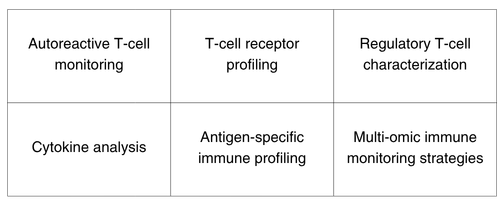
The challenge is that no single biomarker has emerged as a universally accepted indicator of durable tolerance. Many investigators increasingly view biomarker development as a multi-parameter challenge. Rather than searching for one definitive marker, the field may ultimately rely on combinations of immune, molecular, and clinical readouts to establish confidence that meaningful tolerance has been achieved.
Antigen Selection May Determine Clinical Success
Multiple technological approaches are being explored, including peptide-based therapies, nanoparticles, lipid nanoparticle-enabled delivery systems, mRNA platforms, oral tolerance strategies, and cell-based approaches.
While these technologies differ considerably, they are attempting to solve similar biological problems. Developers must deliver antigens effectively, promote tolerogenic immune responses, and avoid unwanted inflammatory activation.
Recent advances in precision delivery have expanded what may be achievable, particularly in diseases where previous antigen-specific strategies produced inconsistent results. However, it remains unclear whether certain delivery platforms will prove better suited for specific disease settings, patient populations, or stages of disease progression.
Delivery Technologies Are Expanding the Possibilities for Tolerance Induction
One of the defining features of antigen-specific therapeutics is that they require an antigen target, which creates both an opportunity and a challenge.
In diseases where relevant antigens are clearly defined, developers may be able to design highly targeted interventions with a clear mechanistic rationale. Type 1 diabetes has long been a focal point for this reason, with several organizations exploring antigen-based approaches aimed at modifying disease progression before extensive beta-cell loss occurs.
Other autoimmune diseases present a more complicated picture. Antigen heterogeneity, epitope spreading, and evolving immune responses can make target selection substantially more difficult.
These challenges raise important strategic questions:
- Which antigens should be prioritized?
- How many antigens need to be targeted?
- Will antigen requirements differ across patient populations?
- How should developers respond when disease biology evolves over time?
The answers may ultimately vary by indication, making disease selection a critical component of development strategy.
What the Field is Still Trying to Understand
Despite growing clinical activity, several important questions remain unresolved. Researchers continue to debate what constitutes definitive evidence of immune tolerance. Durable clinical benefit is clearly important, but the relationship between clinical outcomes and underlying immune reprogramming is still being defined.
Other unresolved issues include:
- The duration of tolerance required to establish clinical value
- Whether prophylactic approaches can succeed in at-risk populations
- How immune tolerance should be measured across different diseases
- The role of combination therapies alongside antigen-specific approaches
- Regulatory expectations for demonstrating mechanism and durability
Many of these questions cannot be fully answered through preclinical research alone. They will likely require longitudinal clinical data collected across multiple therapeutic platforms and disease settings.
What This Means for Developers
For companies pursuing antigen-specific immune tolerance therapies, development strategy increasingly depends on integrating biology, biomarkers, and clinical evidence.
Biomarker planning should begin early rather than being added after proof-of-concept has been achieved. Translational readouts that support mechanism of action can strengthen clinical interpretation and help clarify why a program succeeds or fails.
Developers must also think carefully about indication prioritization. Diseases with well-characterized antigens may offer a more direct path to validation, while heterogeneous diseases could require more sophisticated patient stratification approaches.
Commercial considerations are becoming equally important. Investors, potential pharma partners, and regulators are increasingly looking for evidence packages that connect antigen selection, mechanism, immune monitoring, and clinical outcomes into a coherent development story.
What is the State of Play?
Antigen-specific immune tolerance has progressed from an ambitious scientific concept to a clinical reality being tested across multiple autoimmune diseases. The field's next challenge is no longer demonstrating that immune responses can be influenced in an antigen-specific manner. It is determining how to measure meaningful tolerance, how to sustain it, and how to translate it into long-term patient benefit.
The organizations that successfully address these questions will help define the future direction of immune tolerance therapies and establish what clinical success truly looks like in this emerging area of immunology.

Explore the Agenda
Hear the latest clinical developments from industry experts and gain exclusive insights from the packed agenda, interactive roundtables, and panel discussions.

Partner with the World Immune Tolerance Week
Position yourself alongside other leading solution providers to ensure your brand is at the heart immunology and autoimmune disease advancements.

Join a Community of Immunology Experts
Position your organization alongside the leading innovators, developers, and technology providers advancing the future of immune tolerance and autoimmune disease treatment.