
Why Antigen-Specific Immune Tolerance Developers Need More Specialized Development Partners
The antigen-specific immune tolerance field has reached an important inflection point. Scientific progress is no longer defined solely by whether immune tolerance can be induced. Increasingly, the challenge is demonstrating how it is induced, measuring whether it persists, and translating mechanistic findings into evidence that can withstand regulatory, clinical, and commercial scrutiny.
For developers pursuing antigen-specific therapeutics, these questions are becoming more difficult as programs move from platform validation into translational and clinical development. Yet many organizations face a related challenge that receives far less attention: finding development partners with the expertise needed to answer highly specialized tolerance-focused questions.
The result is an emerging gap between the sophistication of antigen-specific therapeutic programs and the capabilities available across portions of the supporting service ecosystem.
Clinical Progress Is Raising the Bar for Development Infrastructure
Over the past several years, antigen-specific immune tolerance has transitioned from a largely academic area of research into a clinically active therapeutic landscape.
Companies including COUR Pharmaceuticals, Diamyd Medical, Aravax, Imcyse, EVOQ Therapeutics, Topas Therapeutics, and others have generated clinical or translational data aimed at addressing diseases such as type 1 diabetes, celiac disease, food allergy, and other immune-mediated disorders. As these programs advance, expectations around mechanistic understanding have increased.
Investors, pharmaceutical partners, regulators, and clinical investigators are asking increasingly detailed questions:
How was tolerance induced?
Which immune pathways were affected?
How durable are the observed effects?
Which biomarkers support the proposed mechanism?
How can clinical responses be linked to underlying immune changes?
These questions extend well beyond traditional efficacy assessment. They require specialized scientific infrastructure that many standard development pathways were not originally designed to support.
Traditional Autoimmune Development Models Were Not Built Around Tolerance Biology
Much of the broader autoimmune development ecosystem evolved around therapies intended to suppress inflammation, block cytokines, or modify immune activity more generally.
With antigen-specific therapies, developers are often attempting to evaluate whether immune responses can be selectively redirected without disrupting broader immune function. Measuring those effects requires study designs capable of assessing immune mechanisms that may not be captured through conventional inflammatory endpoints alone.
Questions surrounding antigen spreading, antigen-specific T-cell responses, regulatory T-cell induction, and long-term immune reprogramming frequently require more specialized expertise than is typically needed for traditional autoimmune drug development.
This is particularly relevant in preclinical settings. Many developers continue to face uncertainty around which models best predict human immune tolerance, how durability should be measured following dosing, and which experimental approaches are most suitable for assessing prophylactic versus therapeutic intervention strategies.
These challenges create a growing opportunity for preclinical model providers with experience in immunology, translational medicine, and tolerance-focused research.
Biomarker Requirements Are Becoming Increasingly Sophisticated
The search for reliable immune tolerance biomarkers has become one of the defining themes within the field.
Unlike oncology, where many biomarkers have become well established within clinical development, antigen-specific immune tolerance remains an area where consensus is still evolving. Developers are evaluating a wide range of approaches, including antigen-specific T-cell monitoring, T-cell receptor sequencing, regulatory T-cell characterization, cytokine profiling, and broader multi-omic immune analyses.
As a result, specialized biomarker providers and immune monitoring CROs are becoming increasingly important contributors to development programs. Sponsors are often looking for more than routine bioanalysis. They need partners capable of helping design translational strategies that connect antigen selection, mechanism of action, immune response, and clinical outcome.
The ability to generate and interpret these datasets is becoming a competitive differentiator for both therapeutic developers and the organizations that support them.
Industry Partnerships Reflect the Growing Value of Specialist Expertise
Recent partnerships across the broader immune tolerance landscape suggest that access to specialized knowledge has become an increasingly important strategic priority.
Major pharmaceutical companies have repeatedly sought partnerships with specialist antigen-specific immune tolerance developers rather than building capabilities entirely in-house.
For example, Takeda partnered with COUR Pharmaceuticals to develop antigen-specific immune therapies for celiac disease. Eli Lilly entered a collaboration with Topas Therapeutics focused on antigen-specific tolerance approaches. Janssen previously collaborated with EVOQ Therapeutics to develop therapies targeting autoimmune disease through immune tolerance mechanisms.
These collaborations are often discussed in the context of therapeutic innovation, but they also demonstrate something else. Large organizations increasingly recognize the value of specialized scientific expertise in areas where established development frameworks are still evolving.
A similar trend is beginning to emerge across the supporting ecosystem, creating opportunities for CROs, translational research providers, biomarker specialists, and preclinical model experts with deep understanding of immune tolerance biology.
The Next Bottleneck May Be Translational Execution
One of the most significant challenges facing the field is that therapeutic innovation has progressed rapidly, while the supporting infrastructure has developed more gradually.
Developers are now tackling questions around tolerance durability, patient selection, immune monitoring, antigen prioritization, and proof-of-mechanism that often require highly specialized technical capabilities.
Generating the data needed to answer those questions can influence nearly every aspect of development strategy, from financing and business development discussions to clinical trial design and regulatory planning.
For early-stage companies in particular, identifying the right development partners may significantly affect how quickly translational uncertainty can be reduced and whether promising scientific concepts successfully advance into later-stage development.
What This Means for Specialized Service Providers
For CROs, preclinical model providers, immune monitoring groups, and biomarker specialists, antigen-specific immune tolerance presents a growing opportunity. Developers are increasingly looking for partners that understand the unique scientific questions associated with tolerance induction rather than broader autoimmune drug development alone.
Organizations with expertise in antigen-specific assays, T-cell biology, immune monitoring, translational biomarker development, advanced preclinical models, and longitudinal mechanistic studies may be particularly well positioned to support the next phase of growth within the sector.
As the field matures, specialist capabilities are likely to become increasingly important for companies seeking to generate the evidence required to validate antigen-specific approaches and advance them through clinical development.
For developers, selecting the right CROs, preclinical model providers, and translational partners may become an increasingly important determinant of success. For service providers, this represents a significant opportunity to help address one of the less discussed but increasingly important gaps within the immune tolerance ecosystem.

Explore the Agenda
Hear the latest clinical developments from industry experts and gain exclusive insights from the packed agenda, interactive roundtables, and panel discussions.
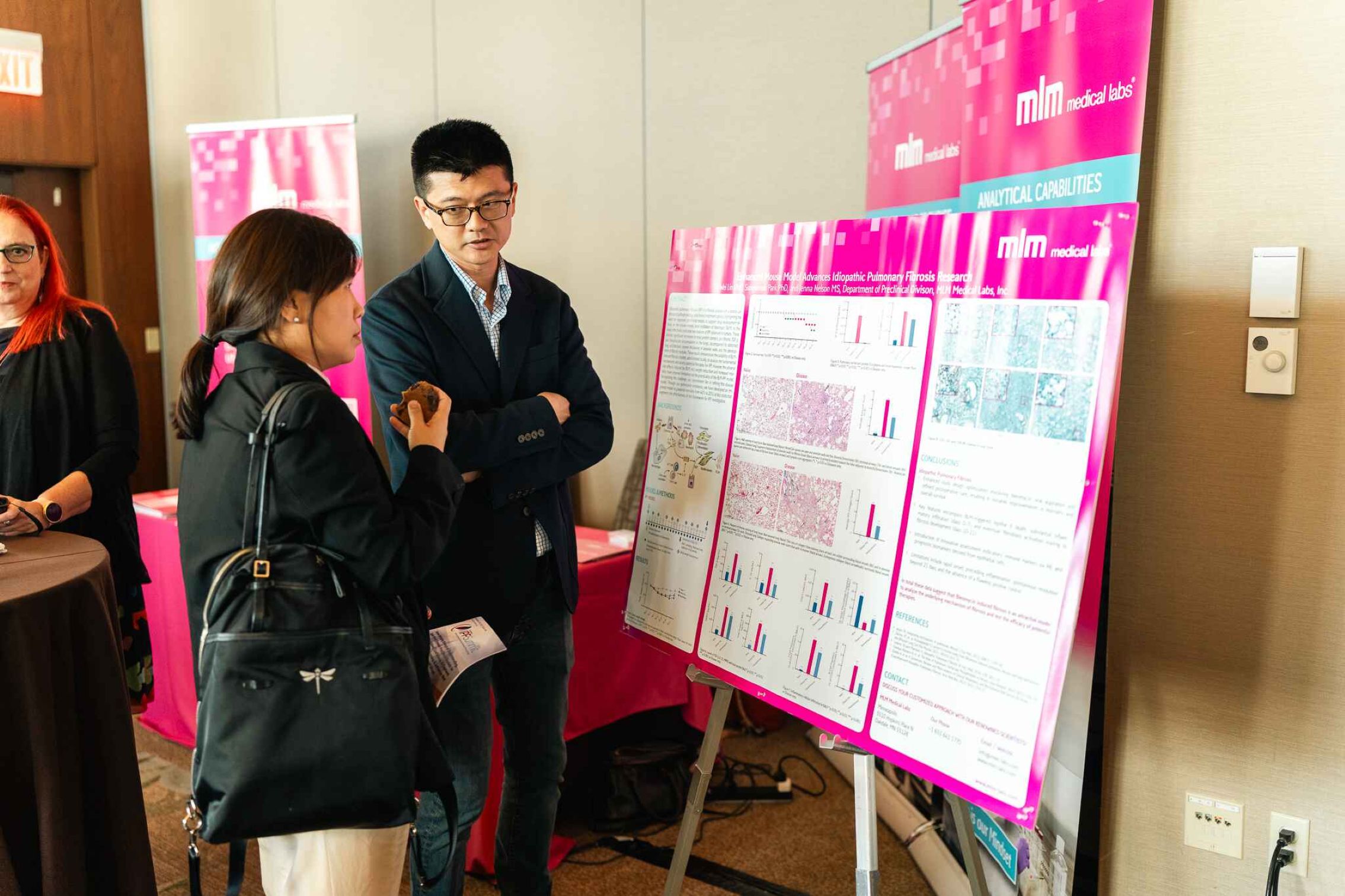
Partner with the World Immune Tolerance Week
Position yourself alongside other leading solution providers to ensure your brand is at the heart immunology and autoimmune disease advancements.
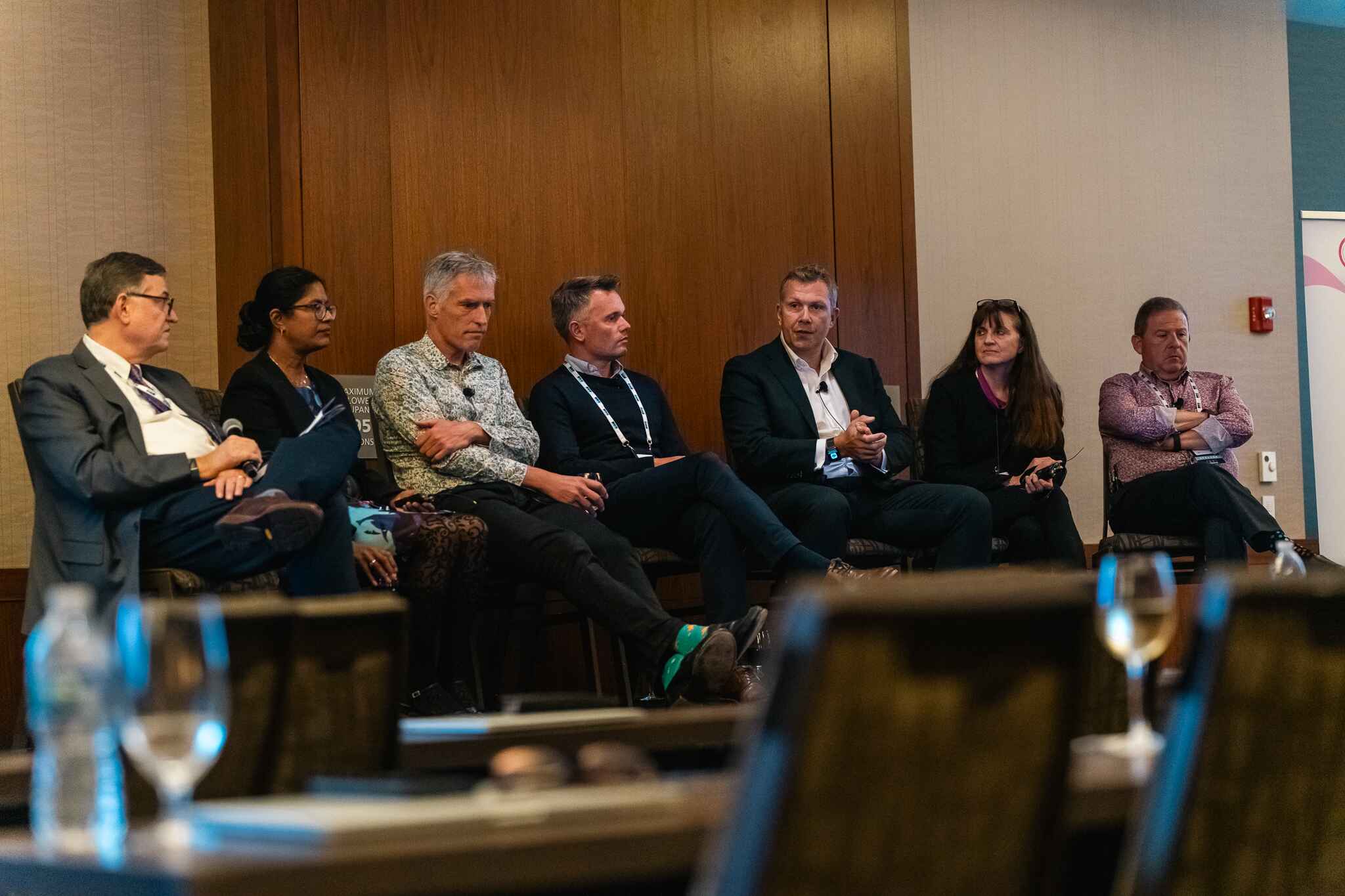
Join a Community of Immunology Experts
Position your organization alongside the leading innovators, developers, and technology providers advancing the future of immune tolerance and autoimmune disease treatment.